
Hernia repairs and colorectal procedures are two of the most common reasons people end up in a general surgeon’s office. Erik Stancofski has been performing throughout his entire career, which now spans 28 years. That kind of experience adds up in ways that matter: not just in volume, but in judgment. Knowing what to do when something unexpected happens in the operating room is something you can’t learn from a textbook, and Erik has that hard-won knowledge in abundance. Where appropriate, he incorporates minimally invasive and robotic techniques into these procedures, giving patients access to increasingly precise surgery with faster, more comfortable recoveries.

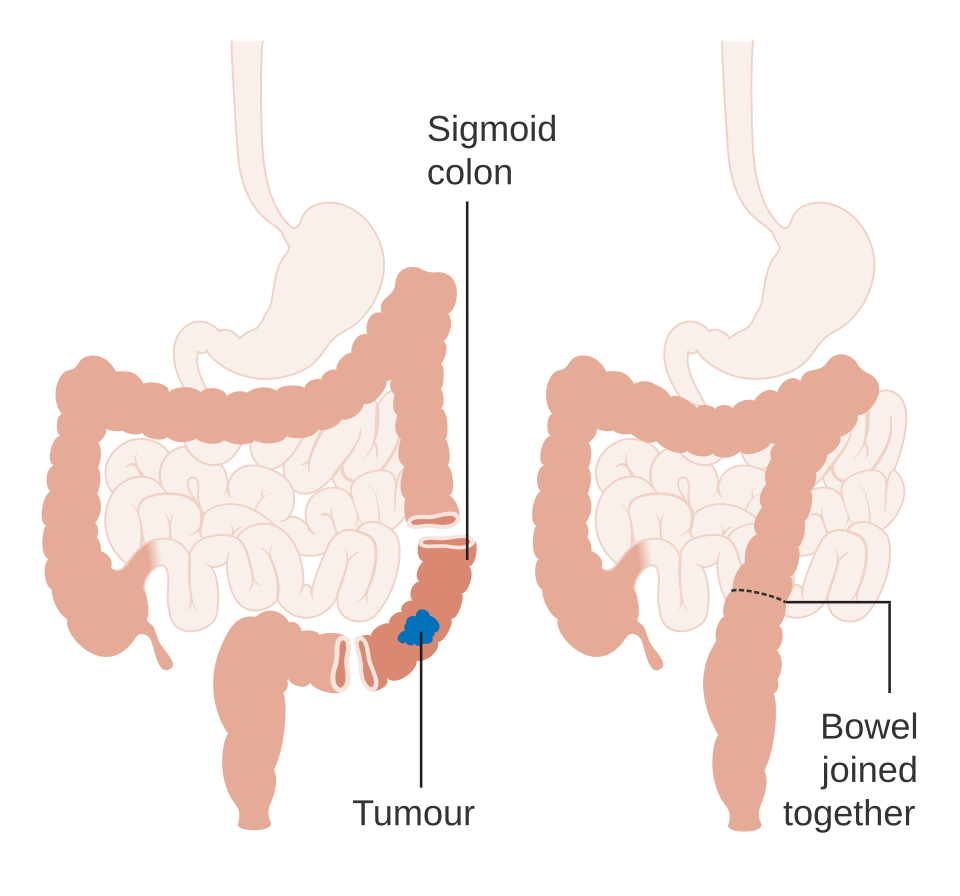
A colectomy is the surgical removal of part or all of the colon, and is most often performed to treat colorectal cancer, diverticulitis, or inflammatory bowel disease that hasn't responded to other treatments. It's a significant procedure, and Erik Stancofski approaches it accordingly. Before anything happens in the operating room, he sits down with patients to walk through exactly what to expect: why surgery is recommended, what the procedure involves, and what recovery looks like in realistic terms. Minimally invasive options are evaluated on a case-by-case basis, and when appropriate, Erik uses them. Most patients can expect a hospital stay of a few days, with a gradual return to normal activity over several weeks. The timeline varies, and Erik is clear about that from the start.
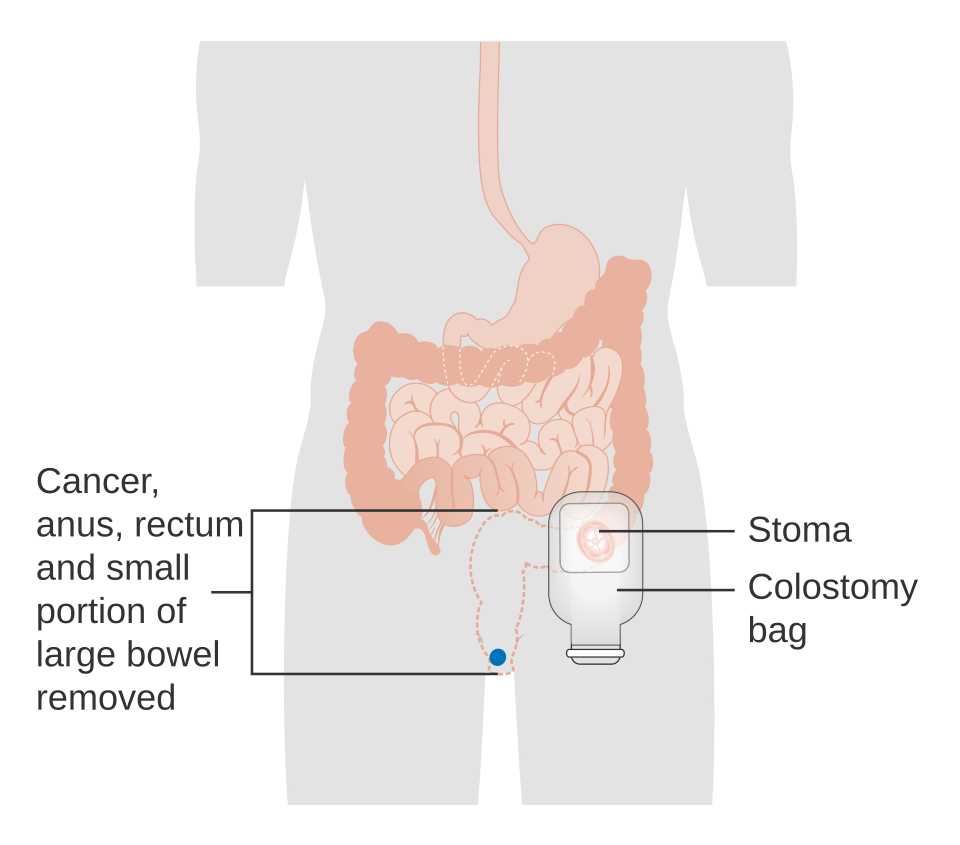
A colostomy involves redirecting part of the colon through an opening in the abdomen, allowing waste to exit the body into an external pouch. This can either be temporary or permanent. Either way, it’s a major adjustment, and Erik Stancofski takes that seriously. He takes the time with patients before and after the procedure to help them understand the surgery itself and what daily life will look like after the procedure. For temporary colostomies, he discusses reversal candidly, including what's involved and whether it's a realistic option. His patients regularly describe him as someone who makes a difficult situation feel a lot less frightening.
Umbilical hernias occur near the belly button and are one of the most common types Erik treats. Repair is typically an outpatient procedure, and most patients are back to light activity within a week or two.
Ventral hernias occur through the abdominal wall and can develop anywhere on the front of the abdomen. Erik uses minimally invasive techniques where possible, which generally means less pain and a faster recovery than traditional open surgery.
Inguinal hernias occur in the groin area and are the most common type of hernia overall. Erik has repaired a high volume of these throughout his career, using laparoscopic and robotic approaches that reduce recovery time significantly.
Incisional hernias develop at the site of a previous surgical incision, where the abdominal wall has weakened over time. They vary in size and complexity, and Erik tailors his approach to each case accordingly.
Hiatal hernias occur when part of the stomach pushes up through the diaphragm into the chest cavity. They're often associated with acid reflux and related symptoms. Erik evaluates each case individually to determine whether surgical repair is the right course of action.